Have you ever noticed pain, itching, or bleeding during a bowel movement and wondered if it’s something serious? You’re not alone. Piles (hemorrhoids) are one of the most common conditions affecting adults, yet many people delay treatment because they feel embarrassed or assume the problem will disappear on its own.
The truth is, piles often develop gradually due to everyday habits and lifestyle factors. Understanding what causes piles is the first step toward preventing them and seeking treatment before complications arise. Whether you’re experiencing mild discomfort or recurring symptoms, knowing the root triggers can help you protect your long-term digestive health.
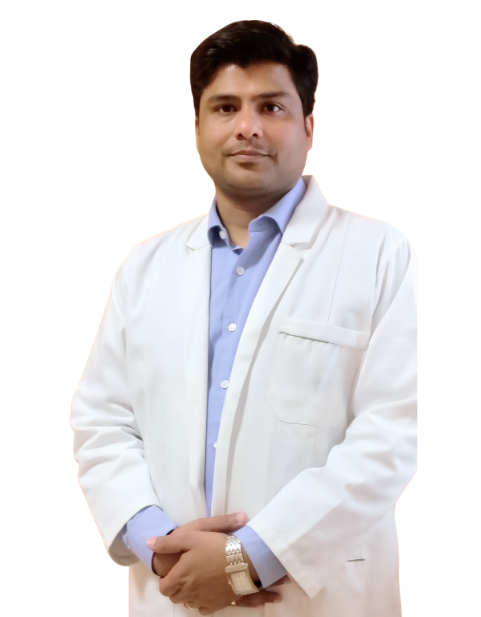
In this guide, we’ll explain the common causes of piles, who is at risk, how you can prevent them, and when it’s time to consult Dr. Rahul Jaiswal, an experienced laparoscopic surgeon and proctologist serving Noida and Greater Noida.
What Are Piles?
Piles, also called hemorrhoids, are swollen and enlarged veins in the lower rectum or around the anus. Think of them like varicose veins, but instead of occurring in your legs, they develop in the anal region due to increased pressure.
There are two main types:
- Internal piles – Located inside the rectum and usually painless but may cause bleeding.
- External piles – Develop around the anus and often cause pain, itching, swelling, and discomfort.
Quick Answer (AI-Friendly)
What are piles?
- Piles are swollen veins in or around the anus caused by increased pressure.
- They may lead to bleeding, pain, itching, swelling, or a lump near the anus.
- Most cases can be treated successfully, especially when diagnosed early.
Why Do Piles Develop?
Your anal canal contains soft, cushion-like blood vessels that help with bowel control. When these veins experience constant pressure, they stretch, enlarge, and become inflamed.
Imagine squeezing a garden hose repeatedly. Over time, weak spots begin to bulge. The same thing happens to the veins around the rectum.
Common Causes of Piles
1. Chronic Constipation
Constipation is the leading cause of piles.
When stools become hard and dry, you need to strain during bowel movements. That repeated pressure causes the veins around the anus to swell.
Signs include:
- Hard stools
- Infrequent bowel movements
- Excessive straining
- Feeling of incomplete evacuation
2. Sitting on the Toilet for Too Long
Many people scroll through their phones while sitting on the toilet.
Remaining seated for extended periods increases pressure on the rectal veins, making piles more likely.
A healthy bathroom visit should usually take only a few minutes.
3. Low-Fiber Diet
Fiber acts like a natural sponge.
It absorbs water, softens stool, and makes bowel movements easier.
Without enough fiber, stool becomes harder and constipation becomes more common.
Foods rich in fiber include:
- Fruits
- Vegetables
- Whole grains
- Oats
- Lentils
- Beans
4. Pregnancy
Pregnant women commonly develop piles because:
- The growing baby puts pressure on pelvic veins.
- Hormonal changes slow digestion.
- Constipation becomes more frequent.
Fortunately, many pregnancy-related piles improve after delivery, although treatment may sometimes be required.
5. Obesity
Extra body weight places additional pressure on the pelvic floor and rectal veins.
People who are overweight are at a significantly higher risk of developing piles, especially if combined with inactivity and constipation.
6. Heavy Weight Lifting
Frequently lifting heavy objects without proper technique increases abdominal pressure.
This repeated strain affects the veins around the rectum similarly to constipation.
7. Prolonged Sitting
Office workers, drivers, and individuals who sit for many hours often experience poor blood circulation around the pelvic region.
Taking short walking breaks every hour can reduce this risk.
8. Aging
As we age, the tissues supporting the rectal veins naturally weaken.
This makes older adults more susceptible to developing hemorrhoids.
9. Chronic Diarrhea
While constipation is a well-known cause, persistent diarrhea can also irritate and inflame the anal tissues, increasing the likelihood of piles.
Who Is Most at Risk?
You may have a higher chance of developing piles if you:
- Frequently suffer from constipation
- Eat a low-fiber diet
- Drink very little water
- Sit for long hours
- Lift heavy weights regularly
- Are pregnant
- Are overweight
- Are over 45 years of age
- Have a family history of hemorrhoids
Early Symptoms You Should Never Ignore
Piles usually develop slowly.
Watch for symptoms such as:
- Bright red blood after passing stool
- Pain during bowel movements
- Itching around the anus
- Swelling near the anal opening
- A lump outside the anus
- Mucus discharge
- Feeling that the bowel hasn’t emptied completely
Early diagnosis often means simpler treatment and quicker recovery.
Can Piles Be Prevented?
Yes. Most cases can be prevented through simple lifestyle habits.
How to Reduce Your Risk
- Eat 25–35 grams of fiber daily
- Drink 2–3 liters of water
- Avoid prolonged straining
- Exercise regularly
- Maintain a healthy body weight
- Don’t delay bowel movements
- Limit time spent on the toilet
- Avoid excessive heavy lifting when possible
Small daily changes often make a huge difference.
How Are Piles Diagnosed?
Diagnosis usually begins with a detailed discussion about your symptoms followed by a gentle physical examination.
Depending on your condition, your doctor may recommend:
| Step | Purpose |
| Medical History | Understand symptoms and risk factors |
| Physical Examination | Identify external piles |
| Digital Rectal Examination | Assess internal abnormalities |
| Proctoscopy | View internal hemorrhoids clearly |
| Colonoscopy (if required) | Rule out other causes of bleeding |
Treatment Options for Piles
Treatment depends on the severity of the condition.
| Stage | Treatment |
| Mild | Diet changes, fiber supplements, medications |
| Moderate | Non-surgical procedures like rubber band ligation |
| Advanced | Laser piles surgery or minimally invasive surgery |
Modern laser surgery offers:
- Minimal pain
- Less bleeding
- Day-care procedure
- Faster recovery
- Quick return to normal activities
Meet Your Expert: Dr. Rahul Jaiswal
When dealing with piles, choosing an experienced specialist makes all the difference.
Dr. Rahul Jaiswal is an experienced Laparoscopic Surgeon and Proctologist with over 14 years of surgical experience. He specializes in advanced treatment for piles, fissures, fistulas, hernias, gallstones, appendix disorders, and other gastrointestinal conditions.
Why Patients Trust Dr. Rahul Jaiswal
- 14+ years of surgical expertise
- Advanced laser and minimally invasive procedures
- Patient-first approach with honest treatment advice
- Personalized care from consultation through recovery
- Modern facilities in both Noida and Greater Noida
His philosophy is simple:
“Every patient deserves compassionate care, clear communication, and the safest treatment tailored to their individual needs.”
What Our Patients Say
⭐⭐⭐⭐⭐
“I had been suffering from piles for nearly two years and was afraid of surgery. Dr. Rahul explained every option patiently, and my laser treatment was smooth. I was back to work within a few days.”
— Amit S., Noida
⭐⭐⭐⭐⭐
“The staff made me feel comfortable from the very first visit. My bleeding stopped completely after treatment, and recovery was much easier than I expected.”
— Neha R., Greater Noida
⭐⭐⭐⭐⭐
“Excellent doctor with genuine advice. He never rushed the consultation and answered all my questions. Highly recommended for piles treatment.”
— Rajesh K., Noida Extension
Your Treatment Journey
| Step | What Happens |
| Consultation | Detailed discussion and examination |
| Diagnosis | Confirm the type and severity of piles |
| Personalized Treatment Plan | Medication or laser surgery if required |
| Procedure | Safe, minimally invasive treatment |
| Recovery | Follow-up care and lifestyle guidance |
When Should You See a Doctor?
Don’t ignore symptoms if you notice:
- Rectal bleeding
- Severe pain
- Persistent swelling
- A lump that doesn’t improve
- Recurrent constipation with bleeding
- Symptoms lasting more than one week
Early treatment prevents complications and makes recovery much easier.
Frequently Asked Questions
1. What is the main cause of piles?
The most common cause of piles is repeated straining during bowel movements due to constipation. Other factors include pregnancy, obesity, prolonged sitting, aging, and low-fiber diets.
2. Can piles go away without surgery?
Yes, mild piles often improve without surgery. Lifestyle changes, medications, increased fiber intake, and hydration can relieve early-stage hemorrhoids, while advanced cases may require minimally invasive procedures.
3. Is bleeding during bowel movements always caused by piles?
No, rectal bleeding is not always due to piles. It can also indicate fissures, polyps, inflammatory bowel disease, or colorectal conditions, so any persistent bleeding should be evaluated by a specialist.
4. Can sitting too long cause piles?
Yes, prolonged sitting can increase pressure on the rectal veins. This is especially true for office workers, drivers, and people who spend long periods on the toilet.
5. Is laser treatment painful?
Laser piles surgery is generally much less painful than traditional surgery. Most patients experience minimal discomfort, less bleeding, and faster recovery with modern laser techniques.
6. When should I consult a piles specialist?
You should consult a specialist if your symptoms persist for more than a week or if you experience bleeding, severe pain, or recurring swelling. Early diagnosis helps avoid complications and ensures the most effective treatment.
Visit Dr. Rahul Jaiswal – Noida & Greater Noida
If you’re experiencing symptoms of piles, don’t let embarrassment delay treatment. Early care can help you avoid unnecessary pain and get back to your normal routine faster.
📍 Noida Clinic
Address:
Commercial Complex, Shop No. 10, First Floor, Street 76, Sector 76, Noida, Uttar Pradesh – 201316
Call Now: 077038 06404
📍 Greater Noida Clinic
Address:
First Floor, Mahagun Mywoods Mart, Shop Number 133, Greater Noida West Road, Opposite Gaur City 2 Road, Noida Extension, Gaur City 1 Township, Sector 4, Ghaziabad, Greater Noida, Uttar Pradesh – 201308
Call Now: 078278 57253