Have you noticed blood on your toilet paper, felt itching around the anus, or experienced discomfort every time you use the toilet? These symptoms can be frustrating, especially when they begin to affect your daily life. Because piles can feel like a private or embarrassing problem, many people delay seeking medical help.
The good news is that piles are common and treatable. You do not have to live with discomfort or rely on home remedies without understanding the cause of your symptoms.
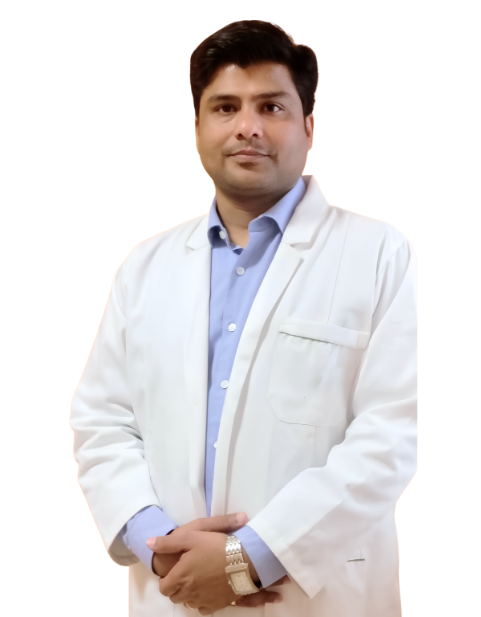
If you are looking for piles treatment in Greater Noida or Noida, consulting a qualified doctor can help you understand your condition and explore suitable treatment options. Dr Rahul Jaiswal offers consultations for piles, anal fissures, and other common problems affecting the anal region, with clinics in Greater Noida West and Sector 76, Noida.
What Are Piles and Why Do They Develop?
Piles, also known as haemorrhoids, are swollen blood vessels in and around the anus and lower rectum. These tissues normally help with bowel control, but increased pressure can cause them to become swollen, irritated, or enlarged.
Piles are generally classified into two types:
- Internal piles: Develop inside the rectum and may cause painless bleeding or protrude through the anus.
- External piles: Develop under the skin around the anus and may cause itching, swelling, tenderness, or pain.
Not every case of piles requires surgery. The right treatment depends on the severity of the symptoms, the type of piles, and your overall health.
What Causes Piles?
Several factors can increase pressure around the anal region and contribute to piles, including:
- Constipation: Straining during bowel movements puts pressure on the blood vessels.
- Prolonged toilet sitting: Spending too much time on the toilet may increase pressure in the anal area.
- Low-fibre diet: Insufficient fibre can lead to hard stools and constipation.
- Pregnancy: Hormonal changes and increased abdominal pressure can contribute to piles.
- Frequent straining: Repeatedly pushing hard during bowel movements can worsen symptoms.
- Ageing: Supporting tissues around the anus may weaken with age.
Understanding these causes is important because effective treatment often involves relieving symptoms and addressing the habits that contribute to the problem.
What Are the Common Symptoms of Piles?
Piles do not always cause noticeable symptoms. However, when symptoms develop, they can interfere with your comfort and everyday activities.
Common signs include:
- Bright red blood on toilet paper or on the surface of stools.
- Itching, irritation, or a burning sensation around the anus.
- Pain or discomfort while sitting or passing stools.
- Swelling or a lump near the anus.
- Tissue protruding from the anus during bowel movements.
- A feeling that the bowel has not emptied completely.
- Mucus or moisture around the anal area in some cases.
Internal piles are often painless, while external piles can become painful, particularly when a blood clot forms inside them.
Important: Rectal bleeding should never automatically be attributed to piles. Anal fissures, inflammation, bowel conditions, and other problems can cause similar symptoms. Persistent or recurrent bleeding needs medical evaluation.
When Should You Consult a Piles Doctor in Noida?
Occasional constipation may improve with dietary changes and better bowel habits. However, persistent symptoms should not be ignored.
Consider consulting a doctor if:
- You repeatedly notice blood during bowel movements.
- Anal pain or itching affects your work, sleep, or daily activities.
- A lump protrudes from the anus or becomes increasingly uncomfortable.
- Constipation continues despite lifestyle changes.
- Symptoms return after using creams or other over-the-counter products.
Seek urgent medical attention for heavy bleeding, dizziness, fainting, severe anal pain, or black, tarry stools. These symptoms may indicate a condition requiring prompt assessment.
A doctor can review your symptoms, examine the affected area, and determine whether piles or another condition is responsible.
How Are Piles Diagnosed?
An accurate diagnosis helps your doctor recommend appropriate treatment and rule out other possible causes of your symptoms.
During your consultation, the doctor may ask about your bowel habits, bleeding, pain, diet, medications, and the duration of your symptoms.
Depending on your condition, the examination may include:
- Physical examination: Checking the area around the anus for swelling, fissures, or other visible changes.
- Digital rectal examination: Gently examining the anal canal and rectum with a gloved, lubricated finger when appropriate.
- Anoscopy: Using a small instrument to examine the inside of the anal canal.
- Additional investigations: Blood tests or further bowel examinations may be recommended when bleeding, age, medical history, or other symptoms warrant them.
Not everyone requires every test. Your doctor will recommend investigations based on your individual symptoms and clinical findings.
What Are the Treatment Options for Piles?
The best approach to piles treatment depends on the type and severity of the condition, your symptoms, and whether previous treatments have helped.
The main goals are to reduce discomfort, control bleeding, improve bowel movements, and minimise the risk of recurrence.
1. Lifestyle and Dietary Changes
For mild piles, simple lifestyle changes can often improve symptoms.
Helpful measures include:
- Eat fibre-rich foods such as fruits, vegetables, beans, oats, and whole grains.
- Drink adequate water unless your doctor has advised you to restrict fluids.
- Respond promptly to the urge to pass stools.
- Avoid prolonged sitting on the toilet.
- Avoid excessive straining during bowel movements.
- Stay physically active to support regular bowel movements.
Warm sitz baths may help relieve irritation and discomfort. Your doctor may also recommend fibre supplements or stool-softening medication when appropriate.
These measures can help control symptoms, although larger or prolapsing piles may require additional treatment.
2. Medicines for Symptom Relief
However, these products do not treat every type of piles. Some preparations are intended only for short-term use, so avoid prolonged self-medication without medical advice.
If symptoms persist despite treatment, a medical reassessment can help determine whether another approach is needed.
3. Minimally Invasive Piles Treatments
When symptoms continue despite dietary changes and medication, certain patients may benefit from minimally invasive procedures.
One example is rubber band ligation, in which a small band is placed around an internal pile to restrict its blood supply. The treated tissue gradually shrinks and separates.
Other procedures may be appropriate depending on the location, size, and severity of the piles.
Your doctor can explain which options are suitable, their potential benefits, possible complications, and the recovery process.
4. Surgery for Severe or Persistent Piles
Surgery may be recommended for large, prolapsing, recurrent, or complicated piles that do not respond adequately to other treatments.
One established procedure is haemorrhoidectomy, which involves surgically removing the affected haemorrhoidal tissue. Other surgical techniques may be considered depending on the condition and clinical assessment.
Surgery is not necessary for everyone with piles. Before making a decision, discuss the expected benefits, risks, recovery time, and available alternatives with your surgeon.
How Long Does Recovery from Piles Treatment Take?
Recovery depends on the treatment method, the severity of the piles, and your general health.
| Treatment method | What to expect |
| Dietary and lifestyle changes | Bowel habits and straining may improve gradually. |
| Medicines | Symptom relief varies depending on the cause and medication used. |
| Office-based procedures | Recovery varies by procedure; follow-up may be necessary. |
| Piles surgery | Healing may take several weeks, with discomfort during recovery. |
After treatment, follow your doctor’s instructions, keep your stools soft, avoid excessive straining, and attend recommended follow-up appointments.
Contact your doctor if you develop a fever, worsening pain, difficulty passing urine, or significant bleeding after a procedure. Seek urgent care for heavy bleeding or symptoms such as faintness.
Meet the Expert: Dr Rahul Jaiswal
Choosing the right doctor can make the process of understanding and treating piles less stressful.
Dr Rahul Jaiswal offers consultations for piles, anal fissures, and other surgical conditions. He practises at clinics in Greater Noida West and Sector 76, Noida. His areas of practice also include surgical management of conditions such as gallbladder problems.
During your consultation, discuss your symptoms, how long they have been present, and any medicines or home remedies you have already tried.
You can also ask about:
- The likely cause of your symptoms.
- Whether additional investigations are needed.
- Available non-surgical and surgical treatments.
- Expected recovery time and aftercare.
- Ways to reduce the risk of recurrence.
Before booking, confirm the doctor’s qualifications, registration, appointment availability, and the services offered at your chosen clinic.
Your Treatment Journey: What to Expect
Seeking professional help does not automatically mean you will need surgery. The first step is to understand what is causing your symptoms.
Step 1: Book a consultation. Explain your bleeding, itching, pain, constipation, or swelling.
Step 2: Get examined. Your doctor will assess your symptoms and recommend investigations if necessary.
Step 3: Discuss treatment options. Understand whether lifestyle changes, medication, a minimally invasive procedure, or surgery may be appropriate.
Step 4: Follow your treatment plan. Use medicines as directed and follow advice on diet and bowel habits.
Step 5: Attend follow-up visits. Monitor your recovery and discuss any persistent or recurring symptoms.
This structured approach helps you make informed decisions rather than relying on guesswork or delaying care because of embarrassment.
Why Consider Piles Treatment in Greater Noida or Noida?
Piles can affect your comfort, confidence, and quality of life. Choosing a conveniently located clinic can make consultations and follow-up visits easier to manage.
Dr Rahul Jaiswal offers consultations at two locations: Greater Noida West and Sector 76, Noida. You can choose the location that is more convenient for you and confirm the available services before visiting.
Whether your symptoms are mild or have become persistent, a proper assessment can help you understand the cause and explore suitable treatment options.
Frequently Asked Questions About Piles Treatment
1. Can piles go away without surgery?
Yes. Mild piles may improve with fibre-rich foods, adequate fluid intake, better bowel habits, and appropriate medical treatment. More severe or persistent cases may require a procedure or surgery.
2. Is piles treatment painful?
The level of discomfort depends on the treatment and the severity of the condition. Some non-surgical treatments cause little discomfort, while surgery may involve pain during recovery. Your doctor can discuss pain management and aftercare.
3. Is bleeding during bowel movements always caused by piles?
No. Anal fissures, inflammation, and other bowel conditions can also cause rectal bleeding. Recurrent or unexplained bleeding should be evaluated by a healthcare professional.
4. What should I eat if I have piles?
Choose fibre-rich foods such as fruits, vegetables, beans, oats, and whole grains. Increase fibre gradually and drink adequate fluids unless you have been advised to restrict them.
5. When should I consult a doctor in Greater Noida?
Consult a doctor if you experience recurring bleeding, persistent pain, a protruding lump, or symptoms that do not improve with basic measures. Heavy bleeding, faintness, severe pain, or black, tarry stools require urgent medical attention.
6. Can piles return after treatment?
Yes. Piles can recur, particularly when constipation and straining continue. Maintaining healthy bowel habits and following medical advice may reduce the risk, although recurrence cannot always be prevented.
Book Your Piles Consultation in Greater Noida or Noida
You do not need to feel embarrassed about seeking help for piles. These symptoms are common, and discussing them with a doctor is a practical step towards better comfort and health.
If you are looking for piles treatment in Greater Noida or Noida, contact Dr Rahul Jaiswal’s clinic to enquire about consultation availability, examination, and suitable treatment options.
Greater Noida West Clinic
Address: First Floor, Mahagun Mywoods Mart, Shop Number 133, Greater Noida West Road, opposite Gaur City 2 Road, Noida Extension, Gaur City 1 Township, Sector 4, Ghaziabad, Uttar Pradesh 201009.
Phone: 078278 57253
Sector 76 Noida Clinic
Address: Commercial Complex, Shop No. 10, First Floor, Street 76, Sector 76, Noida, Uttar Pradesh 201316.
Phone: 077038 06404