When a person hears the phrases “surgery” or “operation,” they are likely to be afraid. But you shouldn’t be alarmed because surgery is only an option and, in many cases, it can be avoided. Many different factors must be considered when it comes to surgery and the healing process. It is therefore essential to find the best general surgeon in Noida for your situation.
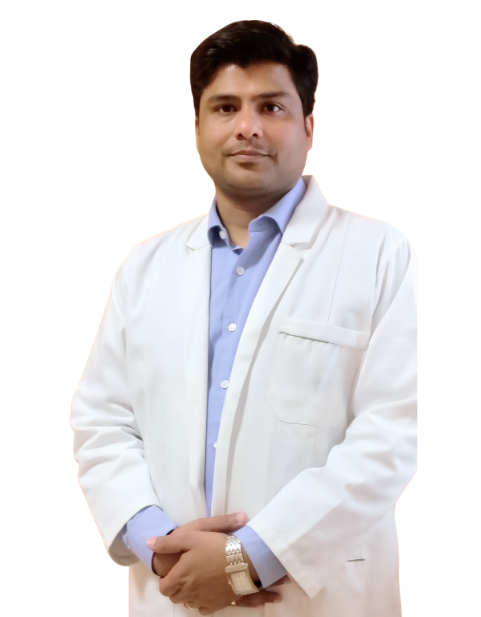
Dr Rahul Jaiswal offers general surgery consultation and treatment for conditions such as laparoscopic surgery, piles, fissure, and gallstones. The emphasis is on proper diagnosis, individual patient treatment, and communication about the details of the surgery.
What Does a General Surgeon Do?
Although the name suggests otherwise, a general surgeon is not only limited to one specialty. A qualified general surgeon can handle a variety of conditions, from abdominal issues to skin diseases.
What Conditions Can a General Surgeon Treat?
Depending on a general surgeon’s area of practice, they can treat the following conditions:
- Gallstones
- Hernia
- Appendicitis
- Piles / Haemorrhoids
- Anal fissure
- Abscess and other soft tissue infections
- Other abdominal surgical conditions, etc.
The best treatment option for each condition will have to be determined individually for every patient.
Why Is It Important to Choose the Best General Surgeon in Noida?
When it comes to surgery, it is unwise to simply look at online rankings and select the “best” option available. Instead, it is important to choose a qualified and competent surgeon.
Your surgeon has to be able to address the following concerns in detail:
- Clarification of the diagnosis
- Whether surgery is indicated or not and what other treatment options are available if surgery is not necessary
- The type of procedure, if indicated
- Potential risks and benefits of the procedure
- The expected post-operative period and what to do after you are discharged
A competent surgeon who is able to provide satisfactory answers to these questions will help you feel reassured and confident about the procedure.
Your first consultation is like taking directions to a new place: you can’t get there if you have no idea where you are starting from.
What Is Laparoscopic Surgery?
Laparoscopic surgery is a procedure during which the surgeon operates on the patient using a special instrument called an endoscope, which is a thin tube with a camera attached to it.
Instead of making one large incision, the surgeon makes several smaller ones through which they will insert the endoscope and other surgical tools.
What Are the Benefits of Laparoscopic Surgery?
When indicated, the benefits of laparoscopic surgery typically include:
- Smaller incisions
- Lower trauma to the surrounding tissues
- Less discomfort in some cases
- Fewer scars
- Shorter hospital stay
- Faster recovery in comparison to traditional open surgery
Laparoscopic surgery may not be indicated in all cases, so your surgeon will evaluate your individual situation to determine the best course of action.
Gallstones: When Should You See a Surgeon?
Gallstones are hard deposits that can form in the gallbladder. Sometimes, they can be present without causing any symptoms. When they do cause symptoms, they are most commonly associated with pain in the upper right part of the abdomen.
Other symptoms of gallstones include:
- Pain after eating, especially fatty foods
- Nausea and vomiting
- Indigestion and bloating
- Pain radiating to the back or right shoulder
If you are experiencing any of the aforementioned symptoms, it is a sign that you should see a doctor.
Severe pain, fever, jaundice (yellowing of the skin), and vomiting are also reasons to seek immediate medical attention.
Piles & Anal Fissure: When Should You See a Proctologist or a Surgeon?
Problems related to the anal region are often embarrassing for patients, but they are very common.
One of the most common conditions affecting the anal region is piles. Piles are swollen veins in the anal canal or around the anal area. They often cause bleeding, discomfort, swelling, and itching.
An anal fissure is a small tear in the anal canal, which results in pain and bleeding.
While both of these conditions can be surgically treated, there are options for non-surgical treatment as well. The decision to pursue surgery or another treatment option will depend on several factors, including the severity of the condition and the effectiveness of non-surgical treatment.
Why Shouldn’t Bleeding Be Ignored?
Even though piles are a common cause of rectal bleeding, there are many other conditions that can be associated with it.
A proper diagnosis is essential in order to determine the underlying reason for the bleeding and select the appropriate treatment.
How to Find the Best General Surgeon in Noida
There is no hard-and-fast list of requirements that can help you identify the best general surgeon for your condition. However, there are some criteria you can use as a reference.
1. Qualifications
It is essential to ensure that the surgeon you choose has the necessary qualifications, experience, and certifications.
2. Experience
A competent surgeon will be able to address your issue more effectively, as they will have experience in that particular area.
For example, if you are looking for a surgeon to treat piles, you should look for someone who has experience in that area of practice.
3. Communication
Your surgeon has to be able to explain your diagnosis and treatment in detail. This is how you will be able to understand your condition and the necessary steps for your treatment.
4. Minimally Invasive Procedures
Laparoscopic surgery and other minimally invasive procedures are often indicated for a variety of conditions. Ask your surgeon whether it is an option for your condition.
5. Personalized Care
Each case must be considered individually, as each patient presents with a combination of unique circumstances relevant to their treatment.
6. Risks and Recovery
A responsible surgeon will provide you with complete information about the benefits and risks of the recommended procedure, as well as your treatment and recovery options.
Meet Dr Rahul Jaiswal
Dr. Rahul Jaiswal offers his surgical expertise to patients suffering from piles, fissure, gallstones, or those seeking consultation for laparoscopic surgery in Noida and Greater Noida West.
Dr. Rahul Jaiswal believes in understanding the patient’s symptoms and providing appropriate treatment for each individual case.
Rather than a one-size-fits-all approach, Dr. Rahul Jaiswal will determine what is wrong and what can be done to help you.
Remember: Surgery Is Not Always the Answer
The most important thing to keep in mind is that seeing a general surgeon does not mean you necessarily have to have surgery.
A competent doctor will evaluate your condition and explain the available treatment options, including the benefits and risks of surgery if indicated.
Frequently Asked Questions
How Can I Find the Best General Surgeon in Noida?
The best general surgeon in Noida will have the appropriate qualifications, experience, and skill set relevant to your condition.
When selecting the best general surgeon for you, it is important to consider their experience, communication skills, the nature of your condition, and the type of treatment they offer, rather than simply looking at online rankings.
What Conditions Are Treated by a General Surgeon?
General surgeons are trained to diagnose and surgically treat a wide range of conditions, from hernia and appendicitis to gallstones, piles, fissure, and various abdominal conditions.
What specific conditions a general surgeon can treat will depend on their individual experience.
Is Laparoscopic Surgery Better Than Open Surgery?
Laparoscopic surgery typically has certain benefits over traditional open surgery, such as smaller incisions and a quicker recovery.
However, it may not be indicated in every case, and your surgeon will be able to advise you on the best course of action.
Do Piles Always Require Surgery?
Surgery for piles is an option, but it is not necessarily required in every case.
Whether you need surgery or another treatment option can be determined individually for your condition.
When Should I See a Surgeon for Gallstones?
If your gallstones are causing you discomfort or other symptoms, you should see a surgeon to discuss your treatment options.
If you experience severe pain, fever, jaundice, or vomiting, you should seek medical attention immediately.
What Questions Should I Ask a General Surgeon?
Ask your questions. A competent general surgeon should be able to answer your questions in detail.
Ask about your diagnosis and prognosis, what treatment options you have, whether surgery is necessary, and what the procedure will be like.
Ask your doctor about potential risks, benefits, and your recovery time. Don’t forget to ask about other treatment options available to you.
Consultation With Dr. Rahul Jaiswal – General Surgeon in Noida
If you are looking for a general surgeon in Noida to assess your condition, such as piles, fissure, gallstones, or you need to consult with a general surgeon for laparoscopic surgery, a consultation will help you get an idea of what your diagnosis is and what treatment you may need.
Our Location in Noida
Commercial Complex, Shop No. 10, First Floor, Street 76, Sector 76, Noida, Uttar Pradesh 201316
Phone: 077038 06404
Greater Noida West Location
First Floor, Mahagun Mywoods Mart, Shop Number 133, Greater Noida W Rd, opposite Gaur City 2 Road, Noida Extension, Gaur City 1, Township, Sector 4, Ghaziabad, Greater Noida, Uttar Pradesh 201308
Phone: 078278 57253